
 Wildlife
 16 Nights / 17 Days
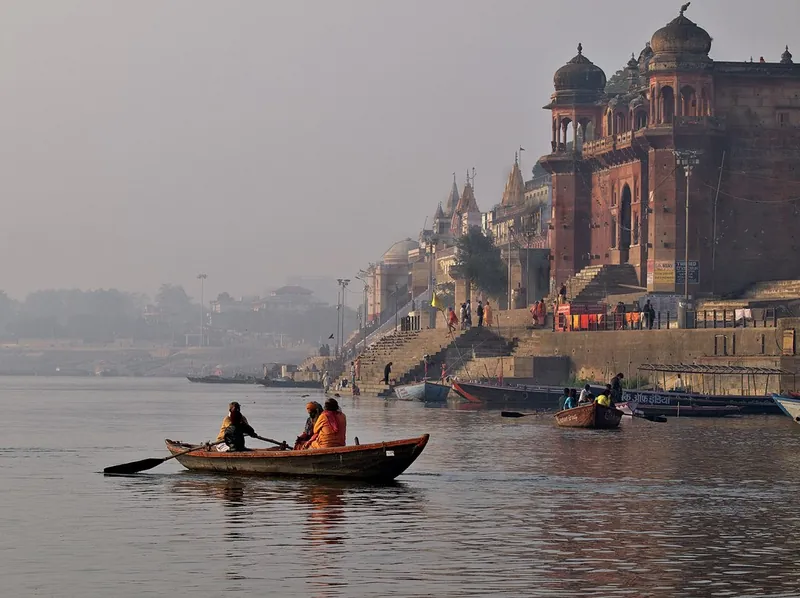
Taj Temple Tiger Tour
This tiger safari in India coupled with the enigma of Indian heritage and Indian culture, encompasses the perfect blend between wildlife, intense spirituality and…
View itinerary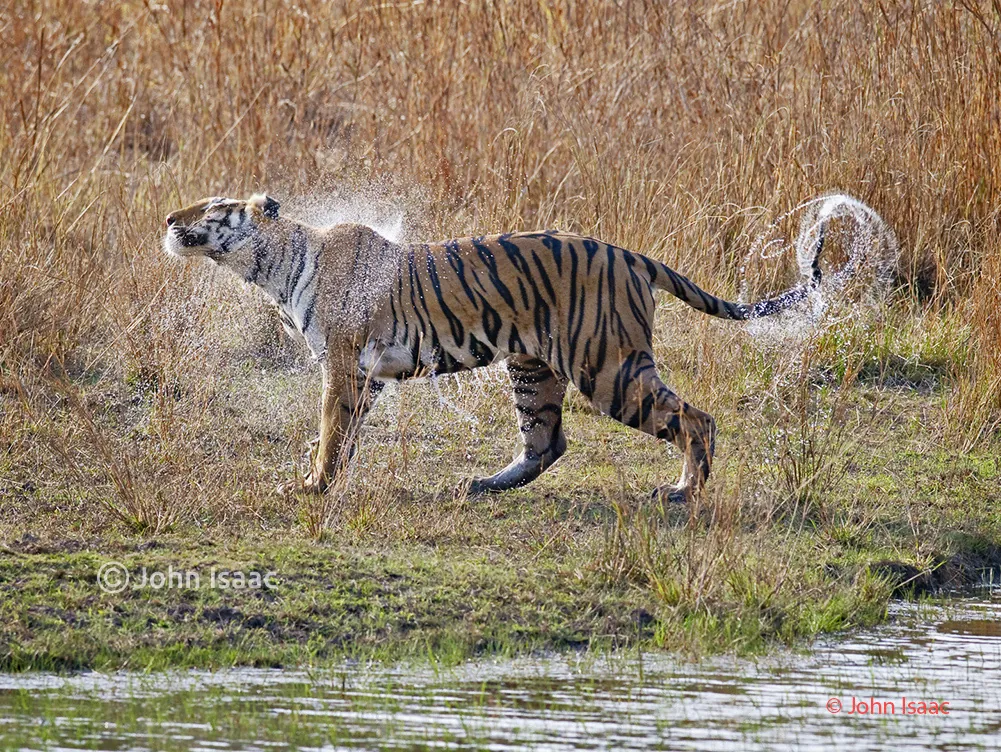
Central India · Madhya Pradesh
Highest tiger density in India
History & Overview
Bandhavgarh National Park is a park with a rich historical past. Prior to becoming a national park, the forests around Bandhavgarh had long been maintained as a Shikargah, or game preserve, of the Maharajas and their guests.
In 1947, Rewa state was merged into Madhya Pradesh and Bandhavgarh came under the regulations of Madhya Pradesh. The Maharaja of Rewa still retained the hunting rights. No special conservation measures were taken until 1968, when the area was constituted as a national park. Since then, numerous steps have been taken to retain Bandhavgarh National Park as an unspoilt natural habitat.
Project Tiger was constituted in 1972, and then the Wildlife Protection Act of 1972 came into force. It was realized that protection of just the 105 km2 of prime Bandhavgarh habitat was not enough, so in 1982 three more ranges were reduced, namely Khitauli, Magdhi, and Kallawah were added to the Tala range (the original Bandhavgarh National Park) to extend the area of Bandhavgarh to 448 km2. As Project Tiger increased its activities and area of influence, Bandhavgarh was taken into its fold in 1993, and a core area of 694 km2 was established including the previously named ranges and the Panpatha Sanctuary along with a buffer area of 437 km2 which was declared as the Bandhavgarh Tiger Reserve.
Flora & Fauna
Geography & Climate
Location
Tours visiting Bandhavgarh
Wildlife 16 Nights / 17 Days
This tiger safari in India coupled with the enigma of Indian heritage and Indian culture, encompasses the perfect blend between wildlife, intense spirituality and…
View itinerary Wildlife
 12 Nights / 13 Days
Take a trip to any of the tiger reserves in Pench, Kanha and Bandhavgarh where you will get a chance to witness these tawny coated giants peeping from behind a bush or…
View itinerary Wildlife
 12 Nights / 13 Days
Take a trip to any of the tiger reserves in Pench, Kanha and Bandhavgarh where you will get a chance to witness these tawny coated giants peeping from behind a bush or…
View itineraryTell us when you’d like to travel and we’ll craft a safari around the best seasons, zones and lodges.
Plan My Safari
Tell us your dream.
We’ll craft the journey.
Share a few details and our team will get back to you shortly.